Source Loader Torque Converter for Wheel Loaders, Excavators, and Small Loaders
Find 30 loader torque converter options from verified Chinese suppliers. Compare specifications for LiuGong, XCMG, and Lonking compatible units with varying power ratings and warranty terms to match your small wheel loader or excavator needs; compare the available evidence and request quotations based on your requirements.
Key considerations
Products List
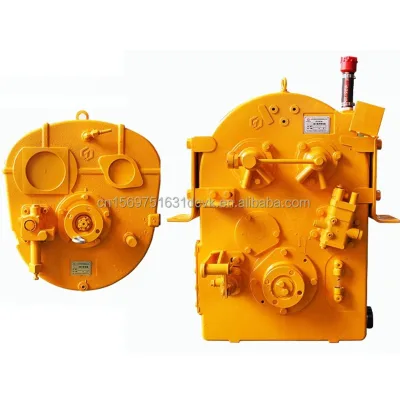


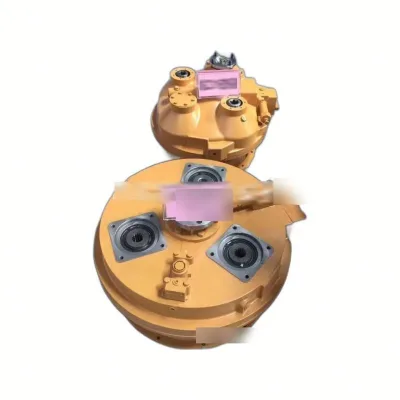


Comprehensive Sourcing Guide
Loader Torque Converter Sourcing Guide
Procuring a torque converter for small wheel loaders requires a disciplined approach to verifying technical compatibility and supplier reliability. Buyers must treat the component as a critical drivetrain element that directly influences machine performance, fuel efficiency, and operational safety. The sourcing process should begin with a clear definition of the specific loader model and transmission configuration to ensure the selected unit matches the original equipment manufacturer's requirements. This initial alignment prevents costly installation errors and ensures seamless integration with the existing hydraulic and mechanical systems.
The market offers various configurations, including standard and customized units, catering to different power ranges and load capacities. Understanding the specific application, such as the rated load capacity and maximum traction force, is essential for selecting the appropriate torque converter. Buyers should prioritize suppliers who provide detailed technical documentation and clear communication channels to address any specific operational requirements. This foundational step ensures that the procurement process is grounded in accurate technical data rather than generic product descriptions, leading to a more successful and efficient acquisition.
Product Scope and Observed Listing Signals
The observed product listings indicate a focus on small wheel loaders, with specific compatibility noted for brands such as LiuGong, Lonking, XCMG, and LGZT. The part name is frequently identified as a 265 or 280 torque converter, suggesting a standardized size range for this class of machinery. Listings also reference model numbers like WJ-2, WJ-3, WJ-4, and WJD-2, which may correspond to specific transmission series or internal supplier designations. Buyers should verify these model numbers against their own equipment manuals to confirm exact fitment, as generic model names can sometimes refer to multiple distinct components.
Packaging and shipping details are also visible in the listing data, with options including carton boxes, wooden boxes, or ocean shipping. The single package size is noted as 86x50x110 cm, with a gross weight of 580 kg, which is significant for logistics planning. The condition is consistently listed as new, and customization is available, allowing buyers to request specific modifications if needed. These signals help buyers understand the physical and logistical aspects of the product, enabling them to plan for storage, handling, and delivery. It is crucial to confirm that the packaging meets the buyer's specific requirements for protection during transit.
Technical Specifications to Verify
Buyers must rigorously verify the technical specifications of the torque converter to ensure it meets the operational demands of the loader. Key parameters include the motor power, which is observed at 75 kW in some listings, and the maximum traction force, noted at 100 kN. The maximum breakout force is listed at 80 kN, which is critical for assessing the converter's ability to handle high-load scenarios. Additionally, the gross vehicle weight (GVW) of 12 tons and the maximum payload of 8 tons provide context for the overall machine capacity. These figures must align with the buyer's specific loader specifications to avoid underperformance or mechanical failure.
Geometric dimensions and operational limits are equally important for proper installation and function. The transportation state dimensions are specified as 73001540±502050 mm, which is relevant for shipping and storage. The minimum turning radius (outside) is 6100 mm, and the minimum ground clearance is 250±10 mm, which affect the loader's maneuverability and stability. The maximum unloading height is 1400±50 mm, and the minimum unloading distance is 1250±50 mm, which are critical for operational efficiency. Buyers should cross-reference these dimensions with their site conditions and equipment requirements to ensure the torque converter supports the desired operational profile.
Compliance and Safety Documentation
Compliance with international standards is a critical aspect of sourcing torque converters, particularly for use in regulated markets. Listings indicate certification under CE and ISO9001, which are widely recognized standards for product safety and quality management. The CE mark signifies that the product meets European health, safety, and environmental protection standards, while ISO9001 certification demonstrates that the supplier has a robust quality management system in place. Buyers should request copies of these certificates to verify their validity and scope, ensuring that the specific product model is covered by the certification. This documentation is essential for customs clearance and regulatory compliance in many jurisdictions.
Safety documentation should also include detailed test reports and inspection records, although some listings note that machinery test reports are not available. In such cases, buyers should request alternative forms of quality assurance, such as third-party inspection reports or factory audit results. The presence of a one-year warranty is a positive indicator of supplier confidence in the product's reliability. Buyers should clarify the terms of this warranty, including what is covered and the process for claiming repairs or replacements. Ensuring that all compliance and safety documentation is complete and up-to-date helps mitigate risks associated with non-compliant or defective products.
Cost Drivers and Commercial Terms
The cost of a torque converter is influenced by several factors, including the material quality, manufacturing complexity, and brand compatibility. While specific prices are not provided in the listings, the observed range of $58 to $78,700 suggests a wide variation based on the specific model and features. Buyers should request detailed quotations that break down the cost components, such as the base price, customization fees, and shipping costs. Understanding these cost drivers helps buyers make informed decisions and negotiate better terms. It is also important to consider the total cost of ownership, including maintenance and potential downtime, when evaluating the value of the product.
Commercial terms, such as the minimum order quantity (MOQ) and payment terms, are also critical for procurement planning. The observed MOQ range is 1 to 100 units, which allows for flexibility in ordering. Buyers should clarify the payment terms, including any deposits required and the schedule for final payment. Shipping terms, such as Incoterms, should also be defined to avoid misunderstandings regarding responsibility for transportation and insurance. Clear and transparent commercial terms help build trust between the buyer and the supplier, ensuring a smooth and efficient procurement process. Buyers should also consider the lead time for production and delivery, as this can impact project timelines and operational continuity.
Supplier Qualification and Quality Control
Qualifying a supplier for torque converter procurement involves assessing their manufacturing capabilities, quality control processes, and track record. Buyers should request information about the supplier's production facilities, including the equipment used and the number of employees dedicated to torque converter manufacturing. A supplier with a dedicated production line for torque converters is likely to have greater expertise and consistency in output. Additionally, buyers should inquire about the supplier's quality control procedures, such as incoming material inspection, in-process checks, and final product testing. These processes are essential for ensuring that each unit meets the specified technical requirements.
The supplier's location and logistics capabilities are also important considerations. Listings indicate origins from Shandong, China, and Xuzhou, Jiangsu, China, which are major industrial hubs with well-developed supply chains. Buyers should evaluate the supplier's ability to handle international shipping, including packaging, documentation, and customs clearance. A supplier with experience in exporting to the buyer's region is likely to have established processes for managing these complexities. Furthermore, buyers should consider the supplier's responsiveness and communication skills, as these factors can significantly impact the procurement experience. A reliable supplier should be able to provide timely updates and address any issues that arise during the production and delivery process.
Long-Term Procurement Checks
Establishing a long-term relationship with a torque converter supplier requires ongoing monitoring and evaluation of performance. Buyers should track key performance indicators, such as delivery accuracy, product quality, and responsiveness to issues. Regular audits of the supplier's facilities and processes can help identify areas for improvement and ensure continued compliance with quality standards. Buyers should also maintain open lines of communication with the supplier, providing feedback on product performance and any operational challenges encountered. This collaborative approach helps build a strong partnership and ensures that the supplier remains aligned with the buyer's evolving needs.
Sustainability and ethical practices are increasingly important considerations in long-term procurement. Buyers should inquire about the supplier's environmental policies, including waste management and energy efficiency measures. Additionally, buyers should verify that the supplier adheres to ethical labor practices, ensuring fair wages and safe working conditions for employees. These factors contribute to the overall reputation of the supplier and can impact the buyer's brand image. By incorporating these long-term checks into the procurement process, buyers can ensure that their supplier relationships are not only cost-effective but also responsible and sustainable. This holistic approach helps mitigate risks and supports the long-term success of the procurement strategy.
FAQs
What is the warranty period for this loader torque converter?
The warranty period is one year for this loader torque converter. This coverage applies to the Jinlite brand product designed for small wheel loaders and excavators, ensuring reliability during the initial operational phase without additional extended terms.
Which brands are compatible with this torque converter model?
This torque converter is compatible with LiuGong, Lonking, XCMG, and LGZT brands. It is specifically engineered for small wheel loaders and excavators, offering a versatile fit for various machinery models including the ZL28 and lw500fn series.
Can I request customization for this loader torque converter?
Yes, customization is available for this loader torque converter upon request. Buyers can specify unique requirements for the product, ensuring the component meets specific operational needs while maintaining the high-quality standards associated with the Jinlite brand.
What is the minimum order quantity for this product?
The minimum order quantity ranges from one to one hundred units depending on the specific configuration. This flexible MOQ allows buyers to procure single items or larger batches suitable for small wheel loader applications without excessive inventory constraints.
How is the product packaged for ocean shipping?
The product is packaged in carton boxes, wooden boxes, or as requested by the buyer. This packaging ensures safe transportation via ocean shipping, protecting the torque converter during transit from the origin in Shandong or Xuzhou, China.
What certifications does this loader torque converter hold?
This loader torque converter holds CE certification and meets ISO9001 standards for quality management. These certifications confirm the product adheres to international safety and quality requirements, making it suitable for export and use in various global markets.
What is the maximum payload capacity for the compatible loader?
The compatible small wheel loader has a maximum payload capacity of eight tons. This specification applies to the machinery model associated with the torque converter, ensuring it can handle heavy loads effectively during excavation and loading operations.